Brisket AF: Smoking Tri Tip Like a Brisket - Low and Slow



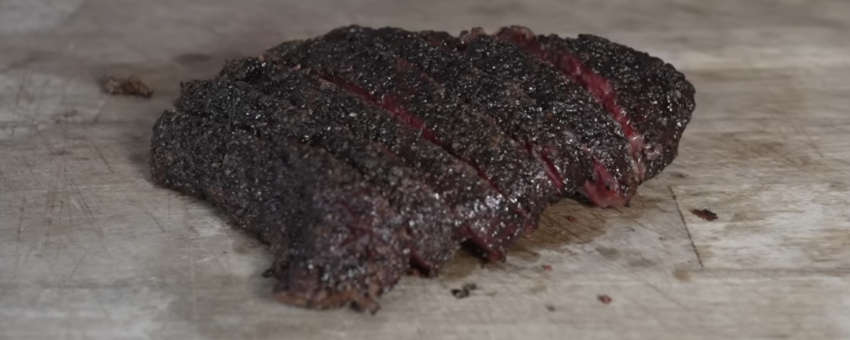
Whether you are cooking for a holiday meal, celebrating special visitors to your home, or maybe a simple meal because some nicely smoked beef would be the perfect meat to round out a nutritious meal, consider beef cheeks. I was thinking of what to serve up when my city celebrates the big beautiful obituary shows up in the news. Smoked beef brisket is great. Smoked chuck roast is yummy. Not enough people are aware of how delicious a meal can be when it includes smoked beef cheeks. That's it - my decision is made: beef cheeks for Obituary Day!.
Beef Cheeks Cooked Low and Slow
I asked some of my friends who smoke meats why more people do not consider beef cheeks as a top choice for smoking and roasting. The consensus is that it is not easy to prepare. Multiple factors add up to beef cheeks requiring more work in order to achieve the same flavor and tenderness of expertly prepared brisket:
- dense meat, more lean than brisket
- lots of connective tissue, more collagen than brisket
- packaged beef cheeks often require trimming off 50% to get a smokable meat
- extra time needed - more than expected for the size
- extra step of confit / cooking wrapped with extra taloe or butter
Cows and bulls spend a great deal of time chewing. Those jaw muscles get exercise all day, and they are dense, plus there a lot of tendons and membranes with them. When you smoke them plan to use a lower temperature, but a long time consistent with large cuts of meat like brisket. The goal is to build a heavy and flavorful crust on the outside, while keeping the internal temperature high enough to render the fat and break down the collagen.
The bottom line is that beef cheeks can be ruined if the cooking is rushed. As with smoked brisked or chuck, expect a solid ten to twelve hours from start to finish. The meat must warm into the post-stall range, then remain there. Beef cheeks can be stunningly delicious, the stuff of dreams, when done right. Always set aside enough time for a thorough cooking.
To serve the freshest beef cheeks, plan your preparation and cooking time to start them smoking nine to ten hours before serving
Cool Your Beef Cheeks Before Trimming
The first thing you should do before trimming beef cheeks is to chill them in your refrigerator. Cool them down in order to firm them up and make trimming easier. I usually let packages sit overnight at just a few degrees above freezing. In a pinch, you can use your freezer, but remove the meat before it freezes.
Trim away the fat and any small pieces of thin meat dangling on the beef cheeks. If not removed, those dangly bits will become too dry and overcooked. Round off the corners and remove any heavy silverskin you find.
Expect to trim away half of the package you purchased. Don throw away those trimmings! They will be a great source of fat, for rendering taloe. Also, the smaller pieces meat are useful for stews and barbacoa. Everything you trimmed is useful in one way or another.
Seasoning the Beef Cheeks
Depending on your seasoning preferences, there are several options for seasoning beef cheeks before smoking them. Consider a simple rub of salt, pepper, and ground garlic (or paste). Prepare as much as you need for a generous covering of all the meat:
- one part kosher salt
- two parts coarsely ground black pepper
- two parts ground garlic or paste
A nice barbecue rub can go well on smoked beef cheeks:
- 1/4 cup brown sugar
- 1/4 cup paprika
- 1/2 tablespoon chili powder
- 1/2 tablespoon paprika
- 1/2 tablespoon garlic powder
- 1/2 tablespoon onion powder
- 1/2 tablespoon ground black pepper
- 1/2 tablespoon salt
- 1 teaspoon cayenne pepper
- 1 teaspoon mustard powder
Before applying the spices, rub on a binder to help them stick to the meat. Apply a light coating of olive oil or yellow mustard, then apply the dry spice rub.
Smoker Time
When I write in these pages about cooking "low and slow," I certainly mean to not burn the meat with high temperatures, but the slow part is not always understood by readers. It really means that the meat must rise to a high enough temperature so the lean muscle softens, fats render, and collagens break down. That takes time, to the temperature needs to rise high enough and stay there for hours.
The internal meat temperature will not rise uniformly over time. It will absorb heat and become warmer, for a while, and then it will shallow out (the stall). The water within the meat will gradually move to the surface, then evaporate, taking away heat and shallowing the rate at which the meat warms up.
When most of the internal water has evaporated, the stall ends, and the meat temperature rise quickens. This takes hours, and the beef cheeks need time at these hotter temperatures in order to become tender. Monitor the temperature by using a meat thermometer probe.
Internal meat temperature target: 190 °F (88 °C).
In the oven and smoker, it is the water steaming off which limits the temperature rise and keeps the meat from burning. So, be generous when you moisturize your meat. With beef cheeks, a popular method, which also preserves flavor, is to smoke the meat for about four hours then give it another four to six hours immersed in beef taloe. The meat can literally be submerged in heated taloe or wrapped in taloe or butter saturated butcher paper, as described below.
The Second Smoking or Confit Time
Once the meat gets up into its target range, it needs to stay there for hours. There are two ways to keep it heated and lock in the moisture. One way is to take it out of the smoker, drizzle it in melted butter or beef taloe, then wrap it in butcher paper or aluminum foil. Return it to the smoker or use an oven set to about 200 °F (93 °C). Another way is to heat up a pot of beef taloe, sufficiently deep to submerge the beef cheeks. Place them into the taloe bath, and keep the pot heated to 200 °F (93 °C). Keep the heat on for about four hours.
If you use the confit style of doing the second cooking period, you can retain the taloe when this batch of beef cheeks are finished. Just filter the liquefied taloe, using a wire mesh or coffee filter, and store it in the refrigerator. It will gradually pick up the spice flavors, though you can reuse it for a total of three or four times.
As to timing, this second heating can go on for as long as six or perhaps a bit more, as long as the moisture is not cooked off. Obviously, the confit can, continue, but if you wrapped the beef cheeks in foil or butcher paper, be aware of the risk of drying it out.
Resting Time Before Serving
When both phases of cooking are complete, remove the beef cheeks from the confit, oven, or smoker. Place them on a wire rack in order allow the excess liquids to drip away. The beef cheeks should be tender by now; serve when they have cooled enough for people to eat them.
When the beef cheeks are allowed to rest, the internal temperature decreases; letting it cool down to 160° F (71° C) before slicing and serving is best. Allowing the temperature to get that low will allow the collagen and fats to become more firm. The meat will thus be tender, but not too chewy.
Enjoy this tender and flavorful beef with a tossed salad or perhaps a serving of steamed broccoli and baked potatoes. Beef cheeks are a really nice cut of meat, though they need careful preparation. They are smaller than a brisket, but offer wonderful beef flavors, satisfying when a brisket is simply too large.
© 2026 brisketaf.com, All Rights Reserved.
Written and curated by Chef William Jackson
Contact, Privacy Policy and XML Sitemap.